H1: Future Investment in AI
- H2: Introduction to AI as an Investment Opportunity
H2: Understanding Artificial Intelligence
- H3: What Is AI and Why It Matters
- H3: Evolution of AI Technologies
- H4: From Rule-Based Systems to Generative AI
H2: Why AI Is the Future of Investment
- H3: Global Market Growth of AI
- H3: AI as the New Electricity
- H4: AI Driving Productivity and Innovation
H2: Key AI Investment Sectors
- H3: AI in Healthcare
- H3: AI in Finance and FinTech
- H3: AI in Manufacturing and Automation
- H3: AI in Marketing and Customer Experience
H2: AI Startups vs Established Tech Giants
- H3: Investing in AI Startups
- H3: Big Tech and AI Dominance
- H4: Risk vs Reward Comparison
H2: Forms of AI Investment
- H3: Stocks and Public Companies
- H3: Venture Capital and Private Equity
- H3: AI ETFs and Mutual Funds
- H3: AI-Powered Cryptocurrencies
H2: Regional AI Investment Opportunities
- H3: AI Investment in the United States
- H3: AI Growth in China
- H3: Emerging AI Markets
H2: Risks and Challenges in AI Investment
- H3: Ethical and Regulatory Risks
- H3: Data Privacy and Security
- H4: Technology Obsolescence
H2: How to Build a Smart AI Investment Strategy
- H3: Long-Term vs Short-Term Approach
- H3: Diversification in AI Investments
- H4: Due Diligence and Research
H2: Role of Governments and Policies
- H3: AI Regulations
- H3: Government Funding and Incentives
H2: AI and the Future Job Market
- H3: Job Creation vs Job Displacement
- H4: Reskilling and Upskilling Trends
H2: Future Trends Shaping AI Investments
- H3: Generative AI and Large Language Models
- H3: AI + Robotics
- H3: AI and Sustainability
H2: Is AI a Bubble or a Long-Term Opportunity?
- H3: Comparing AI to Past Tech Booms
- H4: Indicators of Sustainable Growth
H2: How Individual Investors Can Get Started
- H3: Beginner-Friendly AI Investment Options
- H3: Common Mistakes to Avoid
H2: Ethical AI and Responsible Investing
- H3: Importance of Responsible AI
- H4: ESG and AI Investments
H2: Final Thoughts on Future Investment in AI
Future Investment in AI
Introduction to AI as an Investment Opportunity
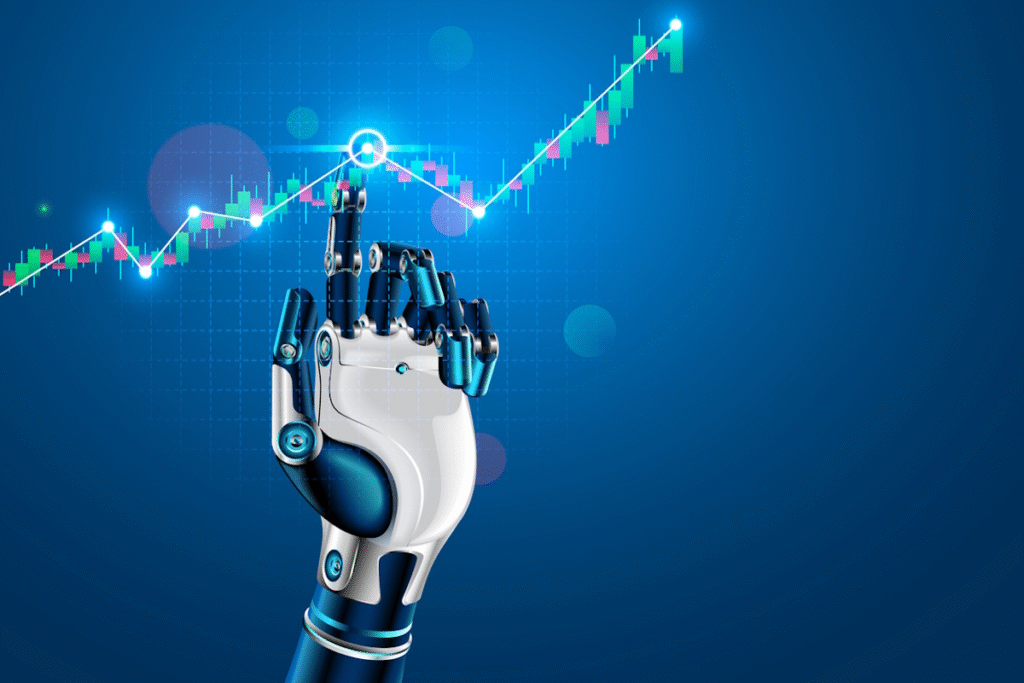
Artificial intelligence is no longer science fiction. It’s already in your phone, your car, your bank, and even your shopping cart. If money is like water, then AI is the river shaping where it flows next. The future investment in AI isn’t just a trend—it’s a structural shift in how value is created. Investors who understand this early are positioning themselves where growth is accelerating, not slowing down.
Understanding Artificial Intelligence
What Is AI and Why It Matters
At its core, AI is about teaching machines to think, learn, and make decisions like humans—but faster and at scale. From predicting diseases to optimizing supply chains, AI is becoming the brain behind modern systems. That’s why investors care: wherever intelligence goes, efficiency follows, and where efficiency grows, profits usually aren’t far behind.
Evolution of AI Technologies
AI didn’t explode overnight. It evolved through decades of research, computing power, and data availability. What changed recently is scale—more data, cheaper computing, and better algorithms.https://trendsresearch.org
From Rule-Based Systems to Generative AI
Earlier AI followed strict rules. Today’s AI writes, designs, predicts, and creates. Generative AI models are like creative engines, opening entirely new markets. This leap is a major reason why future investment in AI looks so promising.

Why AI Is the Future of Investment
Global Market Growth of AI
AI adoption is accelerating across industries. Companies that once hesitated are now racing to integrate AI just to stay competitive. This creates a snowball effect—more adoption, more innovation, more investment.
AI as the New Electricity
Just like electricity transformed every industry it touched, AI is becoming a foundational layer for business. You don’t invest in electricity itself—you invest in companies powered by it. The same logic applies to AI.
AI Driving Productivity and Innovation
AI automates repetitive tasks and enhances decision-making. This productivity boost allows companies to do more with less, directly improving margins and scalability.
Key AI Investment Sectors
AI in Healthcare
From early disease detection to robotic surgeries, AI is saving lives and cutting costs. Healthcare AI investments are especially attractive because demand is constant and global.
AI in Finance and FinTech
Fraud detection, algorithmic trading, credit scoring—AI is rewriting finance. Banks and fintech startups alike are pouring money into AI-driven systems.
AI in Manufacturing and Automation
Smart factories use AI to predict failures, optimize production, and reduce waste. This sector is a quiet powerhouse for long-term AI investment.
AI in Marketing and Customer Experience
Personalization is the new currency. AI helps brands understand customers better than ever, increasing conversions and loyalty.

AI Startups vs Established Tech Giants
Investing in AI Startups
Startups offer explosive growth potential. They’re agile, innovative, and often disrupt entire industries. The flip side? Higher risk.
Big Tech and AI Dominance
Large tech companies have data, talent, and capital. Their AI investments are safer but may offer slower growth.
Risk vs Reward Comparison
Think of startups as speedboats and big tech as cargo ships. Both move forward—just at different speeds and risks.
Forms of AI Investment
Stocks and Public Companies
Investing in AI-focused public companies is the most accessible route for individual investors.
Venture Capital and Private Equity
This path offers high returns but usually requires large capital and patience.
AI ETFs and Mutual Funds
ETFs provide diversification, spreading risk across multiple AI-driven companies.
AI-Powered Cryptocurrencies
Some blockchain projects integrate AI, offering speculative but innovative investment opportunities.
Regional AI Investment Opportunities
AI Investment in the United States
The US leads in AI research, startups, and funding, making it a strong base for AI investments.
AI Growth in China
China is aggressively investing in AI infrastructure and applications, especially in surveillance, fintech, and manufacturing.
Emerging AI Markets
Countries in Asia, the Middle East, and Africa are adopting AI faster than expected, offering early-mover advantages.
Risks and Challenges in AI Investment
Ethical and Regulatory Risks
AI regulations are evolving. Sudden policy changes can impact valuations overnight.
Data Privacy and Security
AI runs on data, and data breaches can damage both trust and profits.
Technology Obsolescence
What’s cutting-edge today might be outdated tomorrow. Staying informed is essential.
How to Build a Smart AI Investment Strategy
Long-Term vs Short-Term Approach
AI rewards patience. Long-term investors often benefit more than short-term traders.
Diversification in AI Investments
Don’t bet on one horse. Spread investments across sectors and regions.
Due Diligence and Research
Understand the business model, not just the buzzwords.
Role of Governments and Policies
AI Regulations
Balanced regulation can stabilize markets, while uncertainty can create volatility.
Government Funding and Incentives
Public funding accelerates innovation and reduces risk for private investors.
AI and the Future Job Market
Job Creation vs Job Displacement
AI will replace some jobs but create many new ones. The net effect favors skilled talent.
Reskilling and Upskilling Trends
Companies investing in AI are also investing in human capital.
Future Trends Shaping AI Investments
Generative AI and Large Language Models
These models are unlocking creativity at scale, fueling new business models.
AI + Robotics
Physical AI is bridging the digital and real worlds.
AI and Sustainability
AI optimizes energy use, reduces waste, and supports green innovation.
Is AI a Bubble or a Long-Term Opportunity?
Comparing AI to Past Tech Booms
Unlike past bubbles, AI already delivers real value across industries.
Indicators of Sustainable Growth
Revenue growth, enterprise adoption, and infrastructure investment signal longevity.

How Individual Investors Can Get Started
Beginner-Friendly AI Investment Options
ETFs, blue-chip tech stocks, and AI-focused funds are good entry points.
Common Mistakes to Avoid
Chasing hype without understanding fundamentals is the fastest way to lose money.
Ethical AI and Responsible Investing
Importance of Responsible AI
Ethical AI builds trust and long-term value.
ESG and AI Investments
Investors increasingly favor companies aligning AI innovation with social responsibility.
Final Thoughts on Future Investment in AI
Future investment in AI isn’t about timing the market—it’s about time in the market. AI is reshaping how the world works, and capital naturally flows toward transformation. Whether you’re a cautious investor or a bold risk-taker, AI offers opportunities that are hard to ignore. The key is to stay informed, diversified, and patient.
FAQs
1. Is AI a good long-term investment?
Yes, AI shows strong long-term growth potential due to widespread adoption across industries.
2. Can beginners invest in AI?
Absolutely. AI ETFs and established tech stocks are beginner-friendly options.
3. What are the biggest risks in AI investment?
Regulation, ethical concerns, and rapid technological change are key risks.
4. Which industries benefit most from AI?
Healthcare, finance, manufacturing, and marketing are leading beneficiaries.
5. How much of my portfolio should be in AI?
It depends on risk tolerance, but diversification is always recommended.