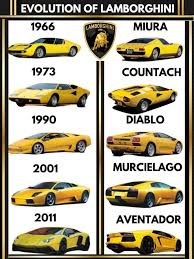
Introduction:
Few automotive brands ignite passion the way Lamborghini does. When someone mentions the word supercar, images of sharp angles, roaring V12 engines, and dramatic scissor doors instantly come to mind—and chances are, they belong to a Lamborghini. The brand represents more than just high-speed machines; it symbolizes rebellion, ambition, and the relentless pursuit of performance perfection.
The story of Lamborghini is one of the most fascinating tales in the automotive world. Unlike many traditional car companies that evolved slowly over decades, Lamborghini burst onto the scene with bold confidence. Within just a few years of its founding in 1963, the company produced vehicles that rivaled—and sometimes surpassed—the world’s most prestigious sports cars.
What makes this story even more compelling is the unexpected origin of the brand. Lamborghini wasn’t started by a lifelong car manufacturer. Instead, it was founded by Ferruccio Lamborghini, a successful tractor manufacturer who simply wanted a better sports car. When he couldn’t get satisfaction from Ferrari, he decided to build his own—and the automotive world has never been the same since.
Over the decades, Lamborghini has produced some of the most legendary supercars ever built. Models like the Miura, Countach, Diablo, Murciélago, Gallardo, Aventador, and Huracán didn’t just push performance boundaries—they shaped automotive culture. Posters of these cars decorated bedroom walls across generations, inspiring dreams of speed, luxury, and engineering brilliance.
History of car and today, Lamborghini stands as one of the most prestigious names in the automotive industry. Owned by the Volkswagen Group through Audi, the company produces cutting-edge vehicles that combine aggressive styling with advanced technology. At the same time, it remains faithful to its roots: loud engines, outrageous designs, and an unapologetic attitude toward performance.
This deep dive explores Lamborghini’s history, its most iconic models, and the innovations that turned a small Italian manufacturer into a global supercar powerhouse. From the early days of Ferruccio’s ambition to the electrified future of high-performance vehicles, the Lamborghini journey is nothing short of extraordinary.
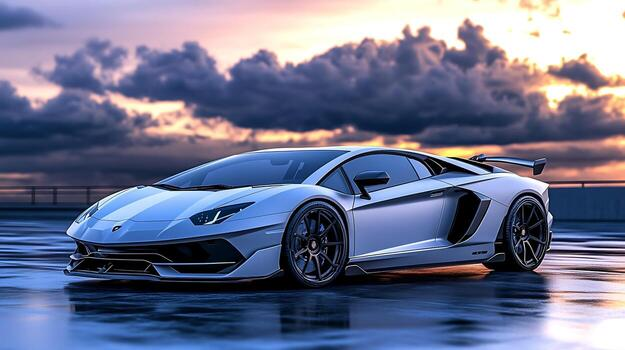
The Birth of Lamborghini
The creation of Automobili Lamborghini in 1963 is one of the most dramatic origin stories in automotive history. Unlike many car companies that began as engineering ventures, Lamborghini was born out of frustration—and a desire to prove a point.
Ferruccio Lamborghini was already a wealthy and successful industrialist before he ever built a sports car. After World War II, he founded Lamborghini Trattori, a company that produced tractors using surplus military equipment. Italy’s agricultural sector was booming, and Ferruccio’s machines quickly became popular among farmers.
By the early 1960s, Lamborghini had expanded into several profitable businesses, including air-conditioning systems and industrial equipment. This success allowed Ferruccio to indulge his love for fast cars. His personal garage included some of the most prestigious vehicles of the era, including Maseratis, Jaguars, and Ferraris.
Yet despite owning these luxurious machines, Ferruccio was not fully satisfied. The cars were fast and stylish, but he believed they lacked refinement. In particular, he was frustrated by frequent mechanical issues and uncomfortable driving experiences.
Rather than simply accepting these flaws, Ferruccio began analyzing the cars himself. As an engineer and manufacturer, he noticed something surprising: many components used in exotic sports cars were similar to those in his tractors.
That realization sparked a radical thought.
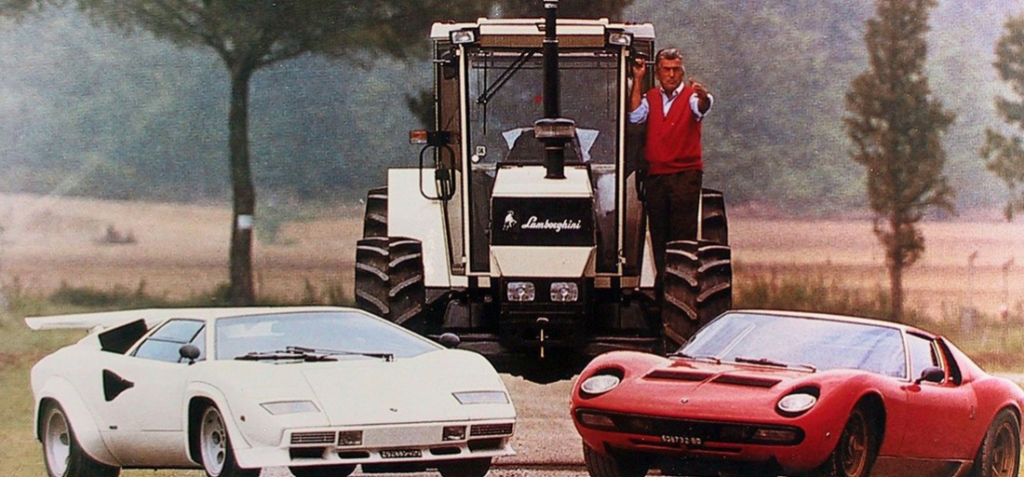
Ferruccio Lamborghini – The Man Behind the Brand
Every legendary brand begins with a visionary, and in Lamborghini’s case, that visionary was Ferruccio Elio Arturo Lamborghini. Born in 1916 in the small Italian town of Renazzo, Ferruccio grew up surrounded by agriculture. His parents were farmers, and from an early age he developed a fascination with machinery.
While most children on farms simply used equipment, Ferruccio loved taking machines apart and understanding how they worked. This mechanical curiosity eventually led him to study engineering and mechanics, skills that would later shape his industrial empire.
During World War II, Ferruccio served in the Italian Royal Air Force as a mechanic. The experience sharpened his technical abilities and exposed him to complex engines and mechanical systems. When the war ended, Italy was in ruins—but Ferruccio saw opportunity where others saw destruction.
Using leftover military vehicles and parts, he began building tractors for farmers who desperately needed affordable machinery. His company, Lamborghini Trattori, quickly gained popularity due to its reliability and innovative designs. By the 1950s, Ferruccio had become one of Italy’s most successful industrialists.
With wealth came the ability to pursue his passion for luxury automobiles. Ferruccio bought several high-end sports cars, including models from Alfa Romeo, Mercedes-Benz, Maserati, and Ferrari. While he admired their performance, he believed many of them sacrificed comfort and reliability.
The Famous Ferrari Feud That Sparked a Supercar Revolution
One of the most famous stories in automotive lore involves a heated disagreement between Ferruccio Lamborghini and Enzo Ferrari. Whether every detail of the story is perfectly accurate is debated among historians, but its impact on the industry is undeniable.
Ferruccio owned several Ferraris during the early 1960s, including the Ferrari 250 GT, which was considered one of the finest sports cars of the time. While he appreciated its power and prestige, he repeatedly experienced problems with the car’s clutch.
As a skilled engineer, Ferruccio examined the issue himself and discovered something surprising: the clutch used in the Ferrari was similar to one used in his tractors. Confident that he could improve the design, Ferruccio decided to bring the issue directly to Enzo Ferrari.
When he visited Ferrari’s factory in Maranello, Ferruccio reportedly suggested modifications that could make the car more reliable. Enzo Ferrari, known for his fiery personality and pride, did not appreciate the criticism.
Legend has it that Ferrari dismissed Ferruccio by saying something along the lines of: “Let me make cars. You stick to building tractors.”
For most people, that might have ended the conversation. But Ferruccio Lamborghini was not most people.
Instead of walking away quietly, he decided to prove that he could build a better grand touring car than Ferrari. This moment became the spark that ignited Lamborghini’s automotive ambitions.
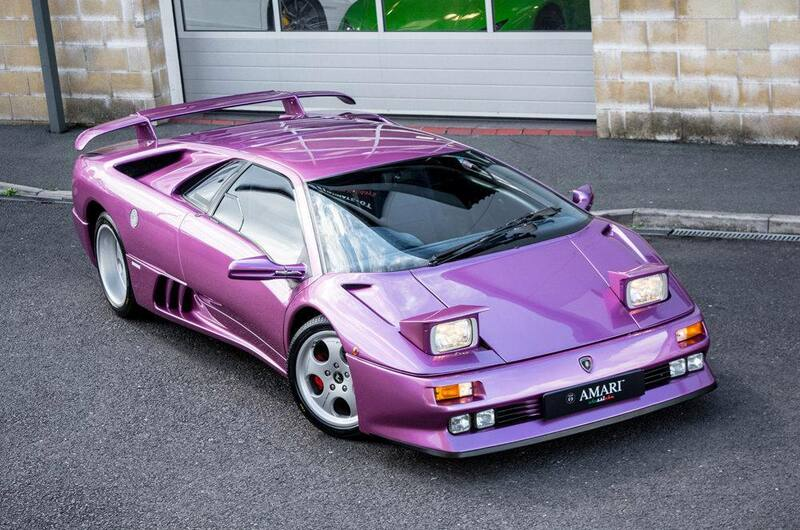
The First Lamborghini Cars
Launching a brand-new car company is one thing. Competing with established legends like Ferrari and Maserati is something entirely different. Yet Lamborghini approached this challenge with bold ambition and a clear vision: create luxurious high-performance grand touring cars that could rival the best in the world.
Ferruccio Lamborghini understood that success required more than passion—it demanded exceptional engineering talent. He recruited some of Italy’s brightest automotive minds, including Giotto Bizzarrini, a brilliant engineer who had previously worked on Ferrari’s legendary V12 engines.
Bizzarrini was tasked with designing a powerful engine for Lamborghini’s first car. The result was a 3.5-liter V12 engine, capable of producing impressive horsepower for its time. This engine would become the foundation for many future Lamborghini models.
At the 1963 Turin Auto Show, Lamborghini unveiled its first prototype: the 350 GTV. The car attracted significant attention thanks to its sleek design and powerful engine. Although the prototype itself wasn’t production-ready, it proved that Lamborghini was serious about entering the high-performance car market.
Soon afterward, the company refined the design and introduced the Lamborghini 350 GT, its first official production vehicle. Unlike Ferrari, which focused heavily on racing, Lamborghini concentrated on creating comfortable yet powerful grand touring cars designed for road use.
This strategy helped the brand stand out. Drivers who wanted speed without sacrificing comfort began to see Lamborghini as a compelling alternative to Ferrari.
Early Lamborghini cars emphasized:
- Smooth driving experience
- High-speed capability
- Luxurious interiors
- Advanced engineering
The success of these first models established Lamborghini as a legitimate competitor in the world of high-end sports cars.
More importantly, they laid the groundwork for the company’s bold future innovations—vehicles that would eventually redefine what a supercar could be.
Lamborghini 350 GT – The First Production Model
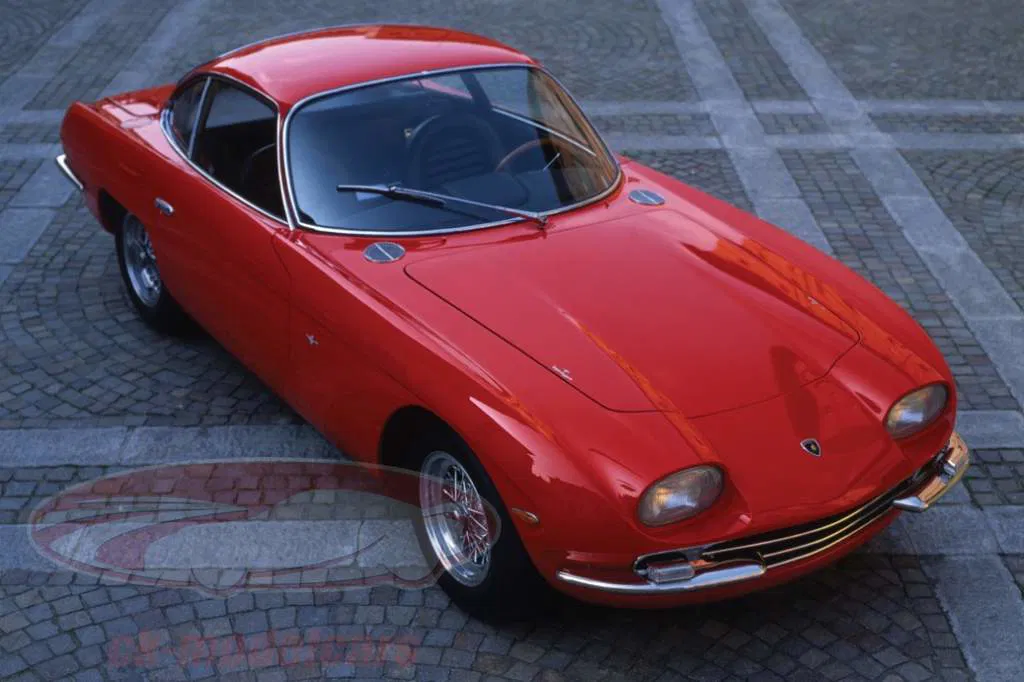
When the Lamborghini 350 GT debuted in 1964, it marked the beginning of a new era in Italian automotive design. This car wasn’t just Lamborghini’s first production vehicle—it was proof that a brand-new manufacturer could compete with established luxury sports car companies.
The 350 GT featured a beautifully refined design created by Carrozzeria Touring, a respected Italian coachbuilder known for elegant craftsmanship. Unlike the aggressive shapes Lamborghini would later become famous for, the 350 GT had a more classic grand touring appearance with smooth curves and balanced proportions.
Under the hood sat the heart of the car: a 3.5-liter V12 engine producing around 280 horsepower. While that number might seem modest by modern supercar standards, it was impressive during the mid-1960s. The engine delivered smooth power and allowed the car to reach speeds of approximately 155 mph (250 km/h).
What truly set the 350 GT apart was its focus on refinement and usability. Many sports cars of the era were loud, rough, and uncomfortable for long drives. Lamborghini took a different approach by prioritizing a balanced driving experience.
Drivers praised the car for several qualities:
- Smooth power delivery
- Comfortable ride quality
- High build quality
- Elegant interior design
Only about 120 units of the Lamborghini 350 GT were produced, making it relatively rare today. Yet its importance cannot be overstated. This car established Lamborghini’s reputation as a serious competitor in the luxury sports car market.
More importantly, it proved that Ferruccio Lamborghini’s vision was achievable: building fast, luxurious, and technically advanced grand touring cars that could challenge the industry’s biggest names.
The success of the 350 GT encouraged Lamborghini to push even further—and the next few models would take the automotive world completely by surprise.
FAQs:
1. Who founded Lamborghini and why?
Ferruccio Lamborghini founded Automobili Lamborghini in 1963 in Sant’Agata Bolognese, Italy. Before entering the automotive industry, he was a very successful tractor manufacturer through his company Lamborghini Trattori. The idea to build sports cars reportedly came after Ferruccio had repeated mechanical problems with his Ferrari. When he approached Enzo Ferrari with suggestions to improve the car, the discussion reportedly turned dismissive.
2. What was the first Lamborghini car ever made?
The first Lamborghini production car was the Lamborghini 350 GT, introduced in 1964. It was powered by a 3.5-liter V12 engine designed by Giotto Bizzarrini and produced around 280 horsepower.
3. Which Lamborghini model is considered the first supercar?
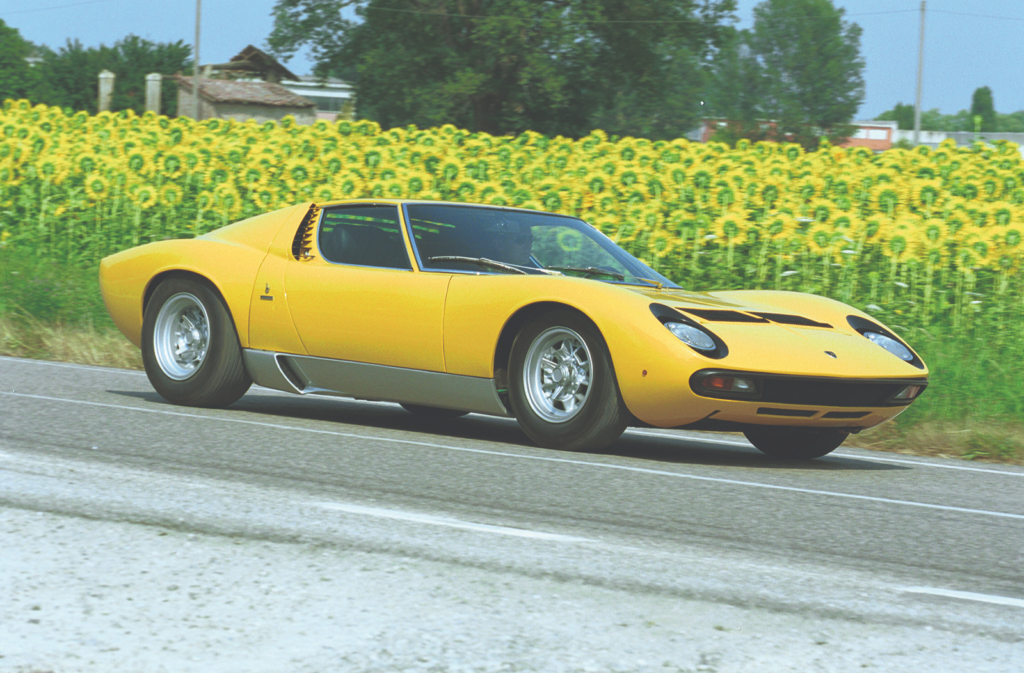
The Lamborghini Miura, introduced in 1966, is widely considered the world’s first true supercar. Its revolutionary design placed a V12 engine in a mid-engine layout, meaning the engine sat behind the driver but ahead of the rear axle.Conclusion – Lamborghini Car History and Models.Lamborghini Car History and Models
Conclusion:
Lamborghini’s journey from a small Italian tractor factory to the pinnacle of high-performance automotive engineering is nothing short of legendary. What started as Ferruccio Lamborghini’s personal quest for perfection has evolved into a global supercar powerhouse that continues to set benchmarks for speed, design, and innovation. The brand’s history is filled with iconic models that not only defined eras but also challenged the very definition of what a sports car could be—from the revolutionary Miura to the radical Countach, the blistering Diablo, and the modern marvels like the Aventador, Huracán, and Urus.
Please don’t forget to leave a review.
Explore more by joining me on Patreon
Continued in next response…