
H1: Future Investment in Artificial Intelligence
H2: Introduction to Artificial Intelligence as an Investment
- H3: What Is Artificial Intelligence?
- H3: Why AI Is Considered the Future of Investment
H2: The Global Growth of Artificial Intelligence
- H3: Current Market Size of AI
- H3: Expected Growth Trends Over the Next Decade
- H4: Key Drivers of AI Market Expansion
H2: Why Future Investment in Artificial Intelligence Matters
- H3: AI as a Long-Term Wealth Generator
- H3: Competitive Advantage for Early Investors
H2: Major Industries Being Transformed by AI
- H3: Healthcare and Medical Innovation
- H3: Finance and Fintech
- H3: Manufacturing and Automation
- H3: Retail, Marketing, and E-commerce
- H3: Education and Skill Development
H2: Types of AI Investment Opportunities
- H3: Investing in AI Stocks
- H3: AI Startups and Venture Capital
- H3: AI ETFs and Mutual Funds
- H3: Private Equity and AI-Focused Funds
H2: Artificial Intelligence and Emerging Technologies
- H3: AI and Big Data
- H3: AI and Blockchain Integration
- H3: AI and the Internet of Things (IoT)
H2: Government and Corporate Investment in AI
- H3: Role of Governments in AI Development
- H3: How Big Tech Companies Are Investing in AI
H2: Risks and Challenges in AI Investment
- H3: Ethical and Regulatory Challenges
- H3: High Competition and Market Volatility
- H3: Talent Shortage and Technical Barriers
H2: How to Prepare for Future Investment in Artificial Intelligence
- H3: Skills Investors Should Understand
- H3: Diversification Strategies
- H3: Long-Term vs Short-Term Investment Mindset
H2: The Role of AI in Economic and Job Creation
- H3: Job Disruption vs Job Creation
- H3: Reskilling the Global Workforce
H2: Artificial Intelligence in Developing Economies
- H3: Opportunities for Emerging Markets
- H3: Challenges Faced by Developing Countries
H2: Sustainable and Responsible AI Investment
- H3: ESG and Ethical AI
- H3: Building Trust Through Transparency
H2: Future Predictions for Artificial Intelligence Investment
- H3: AI in Everyday Life
- H3: What the Next 20 Years May Look Like
Future Investment in Artificial Intelligence
Introduction to Artificial Intelligence as an Investment
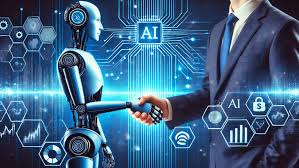
Artificial Intelligence is no longer just a buzzword thrown around in tech conferences or sci-fi movies. It is real, it is powerful, and most importantly, it is shaping the future of global investment. If money had a compass, it would be pointing straight toward AI. Investors, governments, and corporations are betting big on artificial intelligence, and for good reason.https://labs.google/aifuturesfund
What Is Artificial Intelligence?
In simple terms, artificial intelligence refers to machines that can think, learn, and make decisions like humans. From voice assistants and recommendation engines to self-driving cars and medical diagnostics, AI is everywhere. Think of AI as a digital brain that gets smarter with experience. The more data it consumes, the sharper it becomes.
Why AI Is Considered the Future of Investment
AI is not a single product or service. It is a foundation technology, much like electricity or the internet. That is why future investment in artificial intelligence is seen as a once-in-a-generation opportunity. When a technology becomes part of everything, the financial upside multiplies.
The Global Growth of Artificial Intelligence
Current Market Size of AI
The global AI market has already crossed hundreds of billions of dollars and continues to grow at a staggering pace.

Expected Growth Trends Over the Next Decade
Experts predict exponential growth in AI spending over the next 10 to 20 years. AI is moving from experimental use to mission-critical deployment.
Key Drivers of AI Market Expansion
- Explosion of big data
- Advances in cloud computing
- Increased computing power
- Demand for automation and efficiency
- Rapid digital transformation worldwide
Together, these drivers are fueling massive opportunities for future investment in artificial intelligence.
Why Future Investment in Artificial Intelligence Matters
AI as a Long-Term Wealth Generator
AI is not about quick wins. It is about compounding value over time. Companies that integrate AI effectively tend to scale faster, reduce costs, and innovate more consistently. Investing in AI today is like planting a tree that will bear fruit for decades.
Competitive Advantage for Early Investors
Early adopters often enjoy the biggest rewards. Investors who recognize AI potential before it becomes mainstream can benefit from significant growth. Waiting too long may mean paying a premium later.
Major Industries Being Transformed by AI
Healthcare and Medical Innovation
AI is revolutionizing healthcare by improving diagnostics, drug discovery, and personalized treatment. Algorithms can detect diseases earlier than humans and analyze millions of medical records in seconds. This makes healthcare AI one of the most promising investment areas.
Finance and Fintech
From fraud detection to algorithmic trading, AI is reshaping finance. Banks and fintech firms rely on AI to reduce risk and enhance customer experience. The financial sector’s heavy investment in AI signals long-term confidence.
Manufacturing and Automation
Smart factories powered by AI-driven robots are becoming the norm. Automation increases productivity while reducing errors. For investors, this means stable returns and scalable growth.
Retail, Marketing, and E-commerce
Ever wondered how online stores know exactly what you want? That is AI at work. Personalized recommendations, demand forecasting, and chatbots are boosting sales and customer loyalty.https:/ /salescars.shop/future investment
Education and Skill Development
AI-driven learning platforms adapt to individual students. This personalized approach improves outcomes and opens new revenue streams in education technology.
Types of AI Investment Opportunities
Investing in AI Stocks
Publicly traded companies focused on AI development offer direct exposure. These include tech giants and specialized AI firms.
AI Startups and Venture Capital
Startups are the innovation engines of AI. While riskier, they offer high reward potential. Venture capital plays a key role here.
AI ETFs and Mutual Funds
For those who prefer diversification, AI-focused ETFs provide exposure across multiple companies and sectors.
Private Equity and AI-Focused Funds
Private equity allows investors to tap into mature AI companies before they go public, often at attractive valuations.
Artificial Intelligence and Emerging Technologies
AI and Big Data
AI thrives on data. Big data provides the fuel that trains AI models, making this combination unstoppable.
AI and Blockchain Integration
Blockchain ensures transparency and security, while AI adds intelligence. Together, they create powerful investment opportunities.
AI and the Internet of Things (IoT)
AI analyzes data from connected devices, enabling smarter cities, homes, and industries.
Government and Corporate Investment in AI
Role of Governments in AI Development
Governments worldwide are investing heavily in AI research and infrastructure. National AI strategies are becoming common, signaling long-term commitment.
How Big Tech Companies Are Investing in AI
Tech giants are acquiring AI startups, building research labs, and hiring top talent. Their aggressive investment confirms AI’s future dominance.

Risks and Challenges in AI Investment
Ethical and Regulatory Challenges
Data privacy, bias, and transparency remain concerns. Regulations may impact how AI companies operate.
High Competition and Market Volatility
AI is competitive. Not every company will succeed. Smart analysis is essential.
Talent Shortage and Technical Barriers
AI expertise is scarce, and development costs can be high.
How to Prepare for Future Investment in Artificial Intelligence
Skills Investors Should Understand
Understanding basic AI concepts helps investors make informed decisions. You do not need to code, but awareness matters.
Diversification Strategies
Spreading investments across sectors and regions reduces risk.
Long-Term vs Short-Term Investment Mindset
AI rewards patience. Long-term investors are more likely to benefit from sustained growth.
The Role of AI in Economic and Job Creation
Job Disruption vs Job Creation
While AI automates tasks, it also creates new roles. History shows technology shifts jobs rather than eliminates them.
Reskilling the Global Workforce
Education and training will play a key role in maximizing AI’s economic benefits.
Artificial Intelligence in Developing Economies
Opportunities for Emerging Markets
AI can accelerate growth by improving efficiency and access to services.
Challenges Faced by Developing Countries
Infrastructure and skill gaps remain obstacles, but investment is increasing.

Sustainable and Responsible AI Investment
ESG and Ethical AI
Responsible AI aligns with environmental, social, and governance goals. Investors increasingly value ethical practices.
Building Trust Through Transparency
Transparent AI systems build trust with users and regulators alike.
Future Predictions for Artificial Intelligence Investment
AI in Everyday Life
AI will become invisible yet indispensable, embedded in daily activities.
What the Next 20 Years May Look Like
Expect smarter cities, personalized healthcare, and autonomous systems shaping the world economy.
Conclusion
Future investment in artificial intelligence is not just a smart move, it is a strategic necessity. AI is transforming industries, economies, and lives at an unprecedented pace. For investors willing to think long-term, adapt to change, and embrace innovation, AI offers opportunities that few other sectors can match.